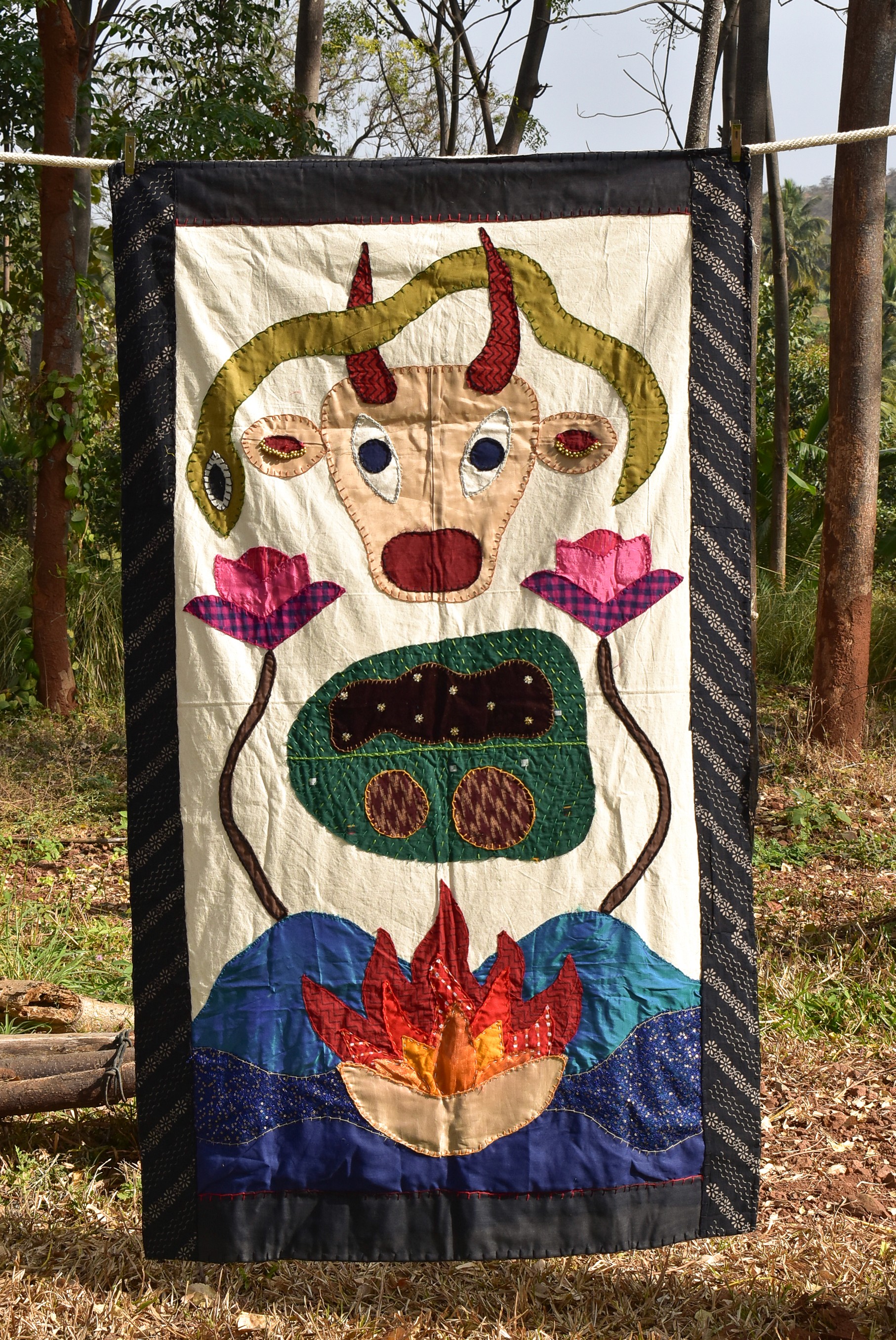
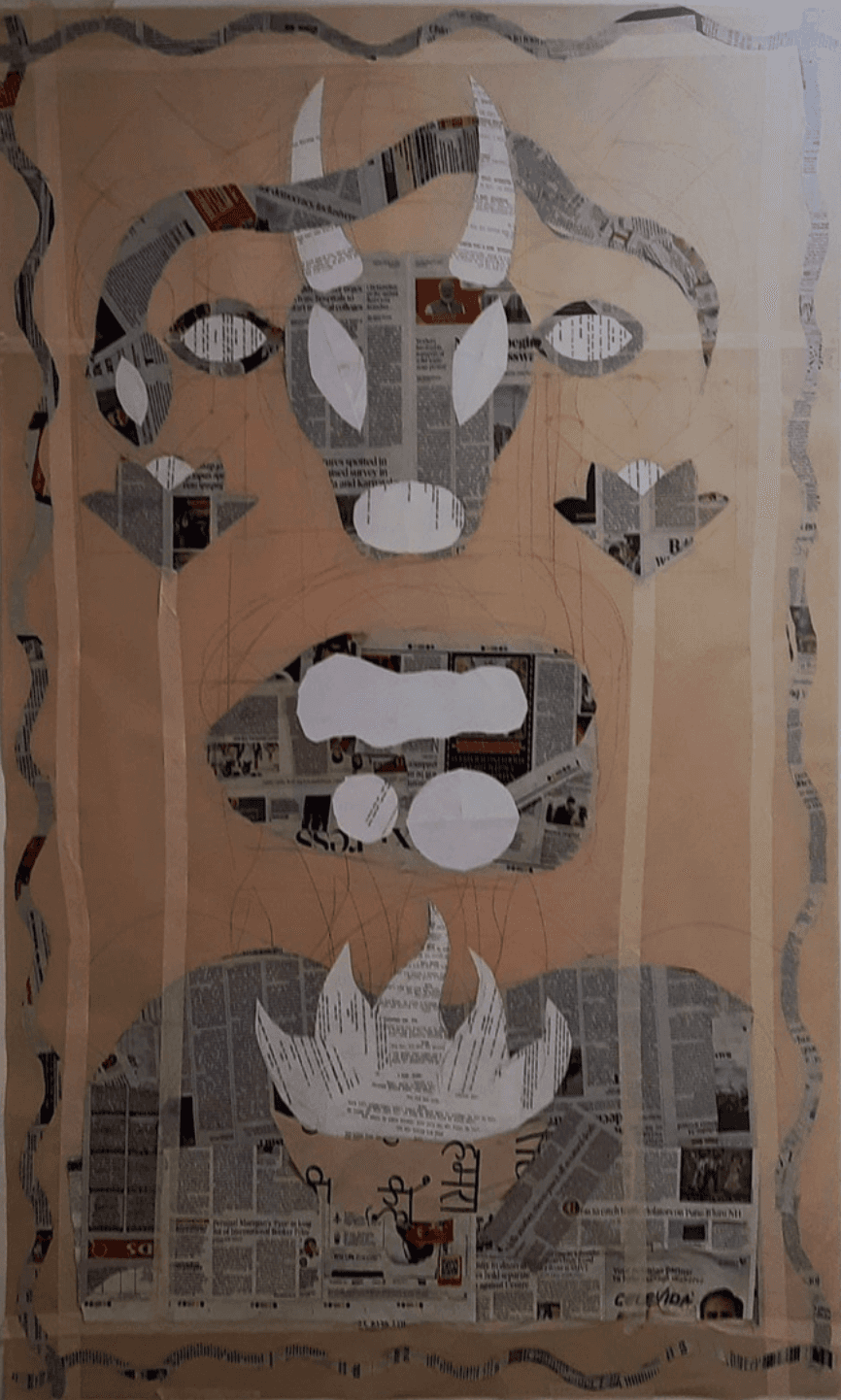
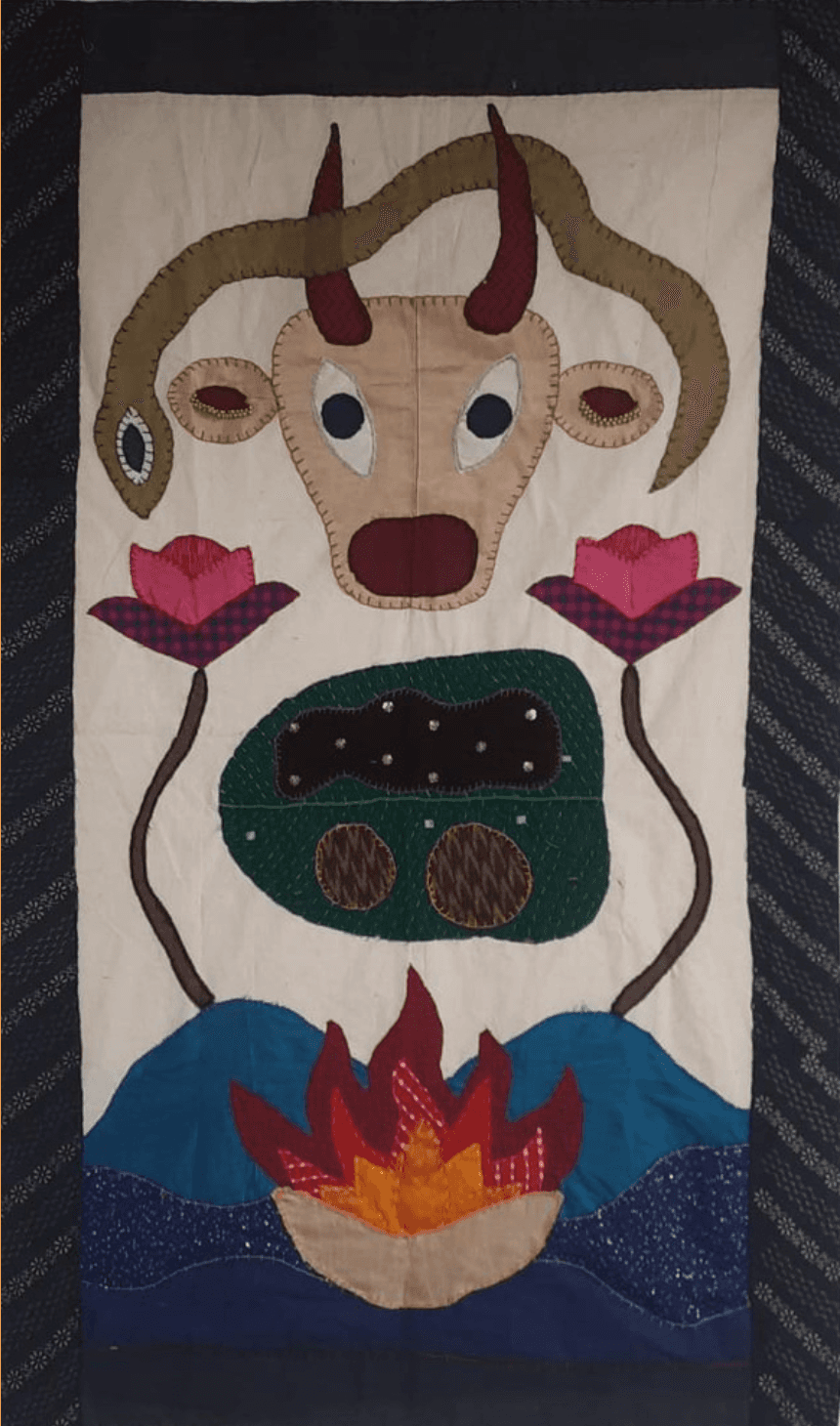
Final Output :
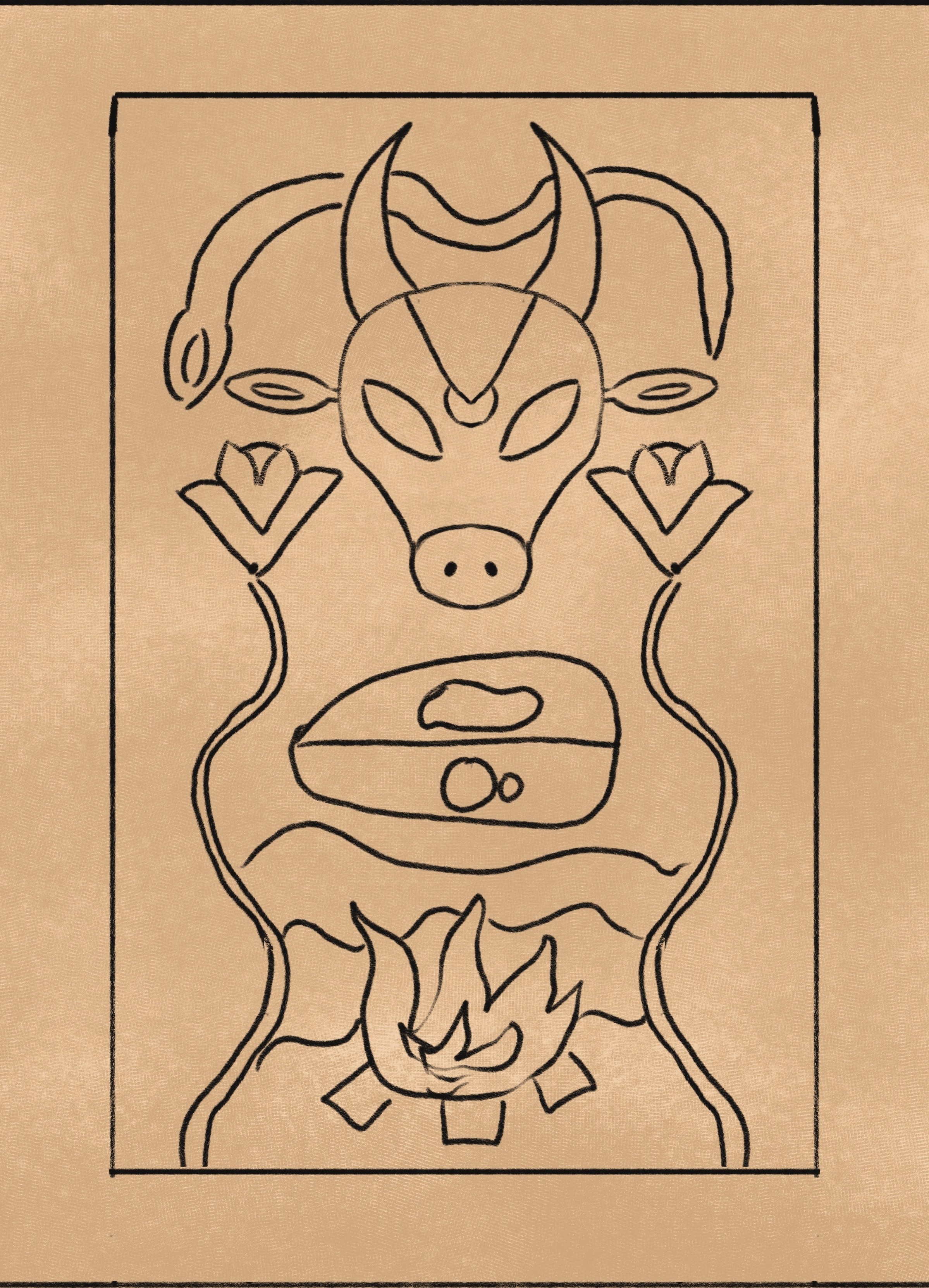
The maquette is a 1:1 size of the final output.
I made it to understand better about scale, overlapping and
overlaying of elements as well as the composition of the piece itself.
The materials used to make this maquette was waste paper sourced from around my college campus.
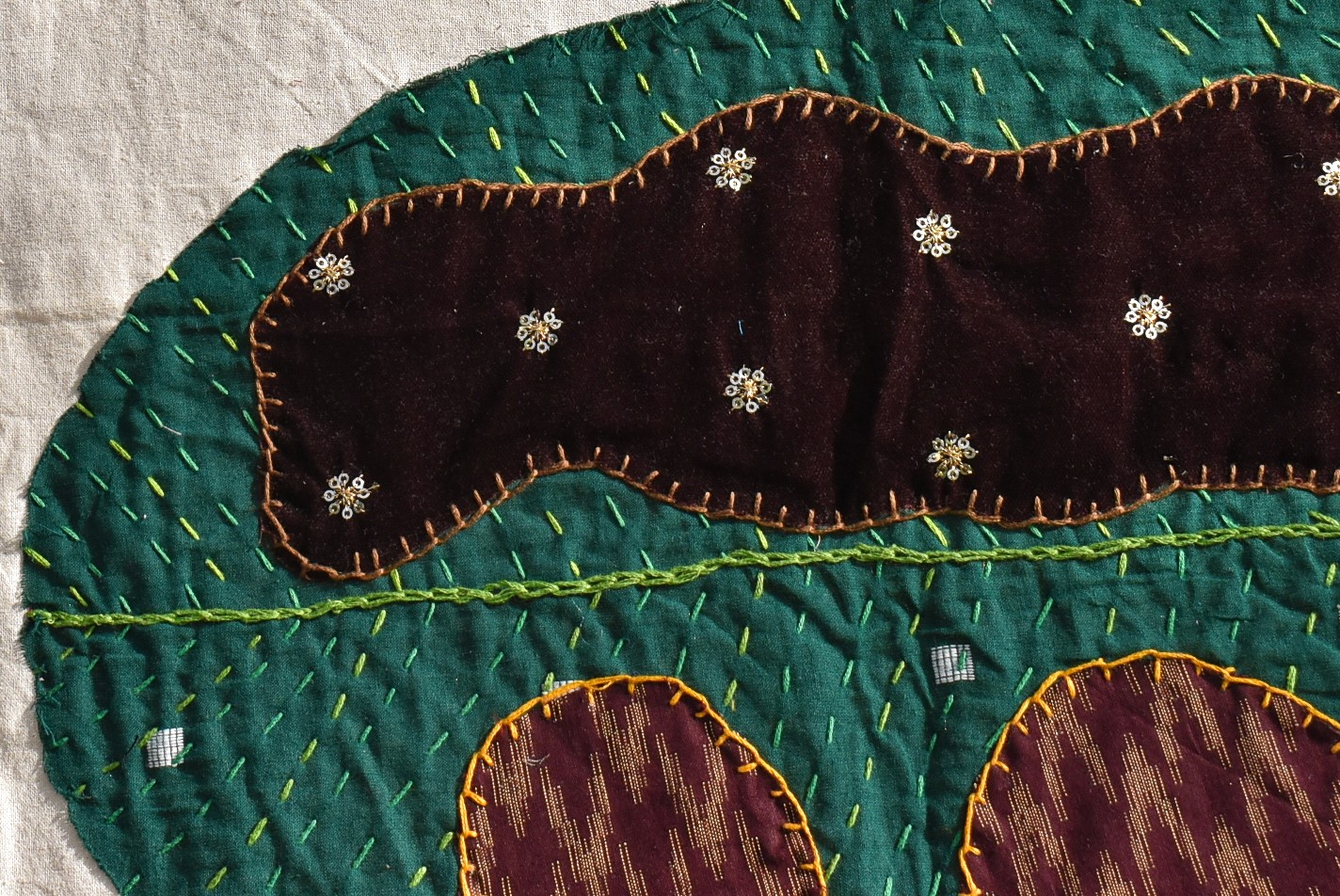
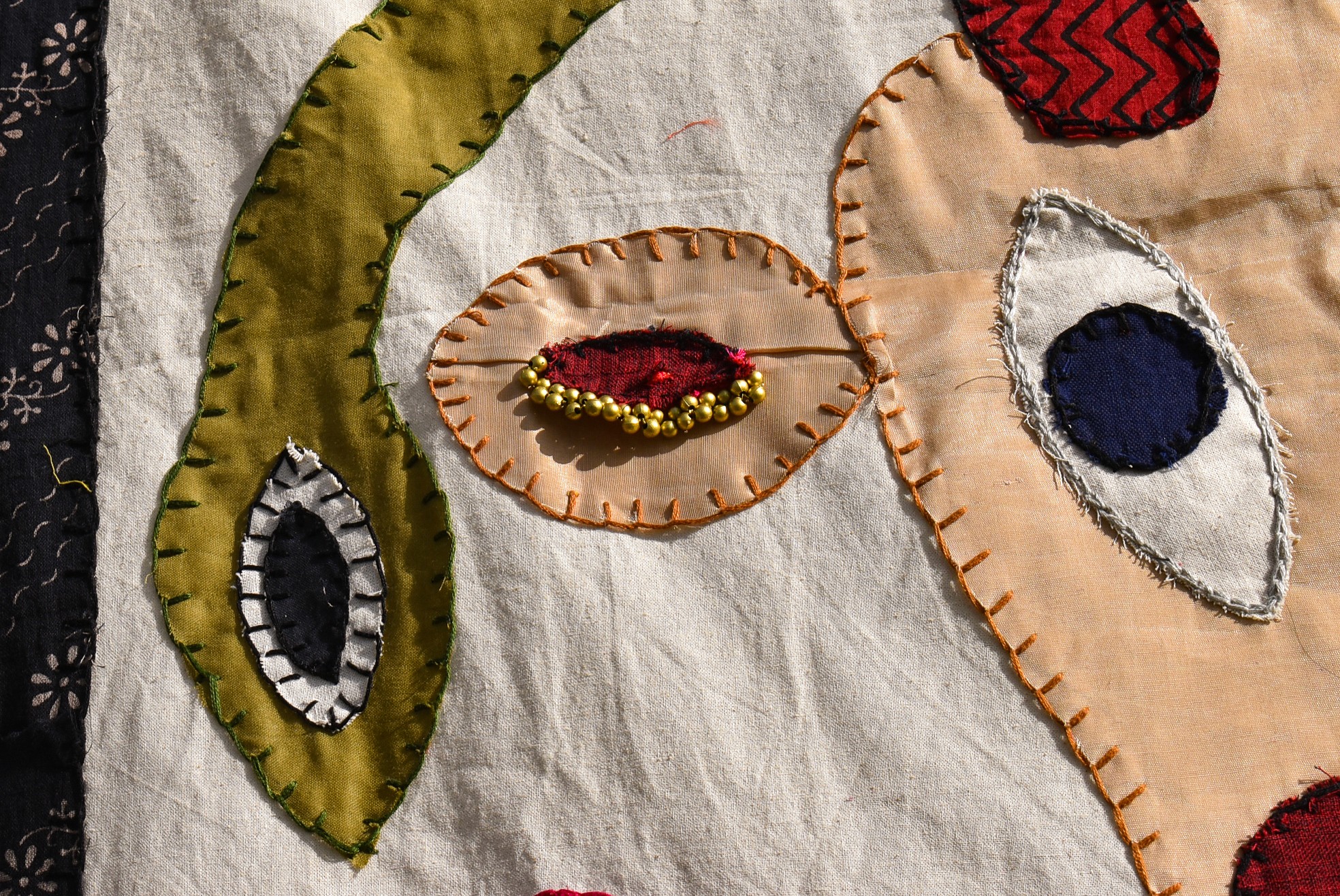
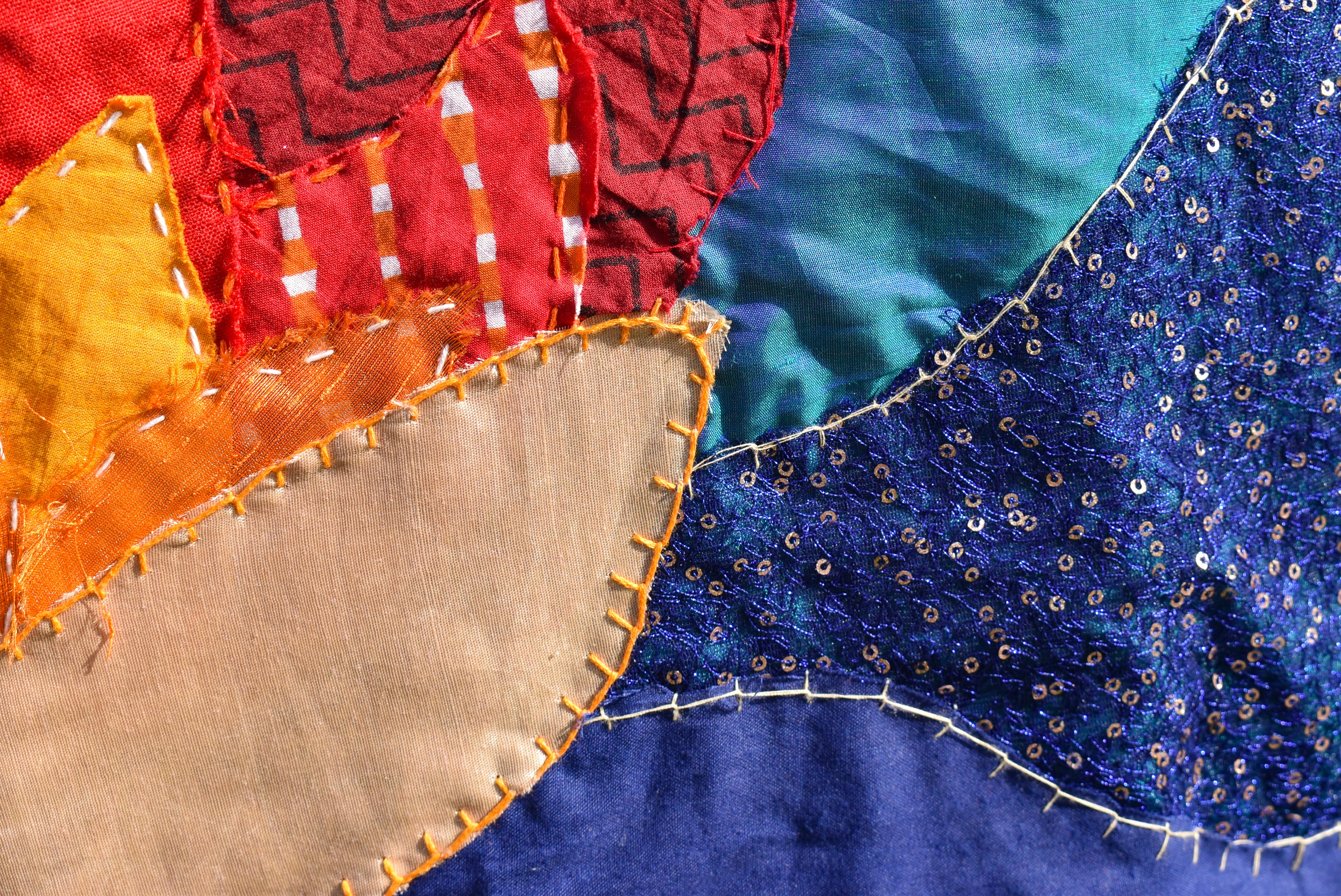
This is the final output made out of scrap and waste fabric that was sourced from local tailors.
it was an interesting process picking out and selecting the fabric pieces and what goes where in terms of colour, pattern and material.
Maquette :
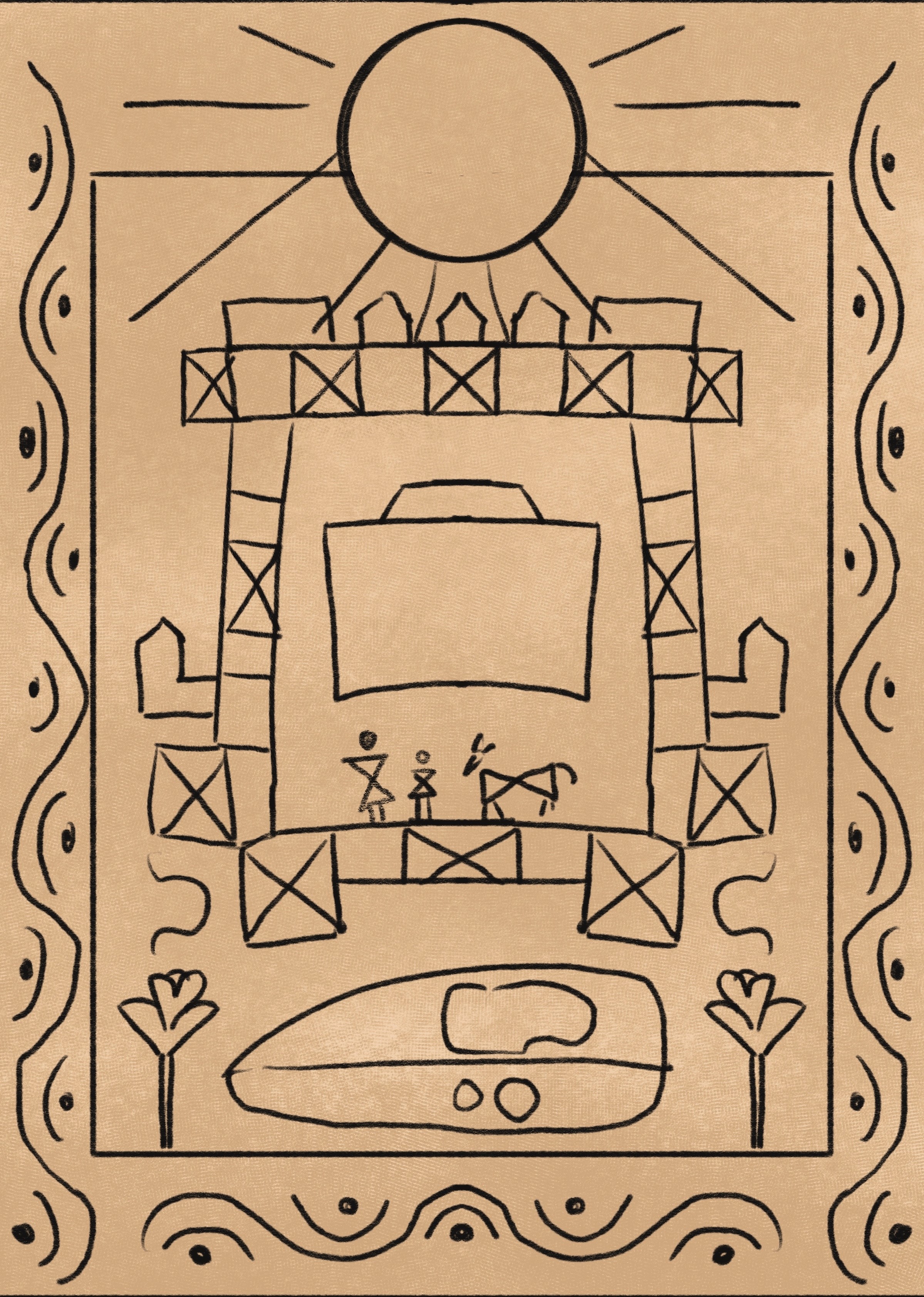
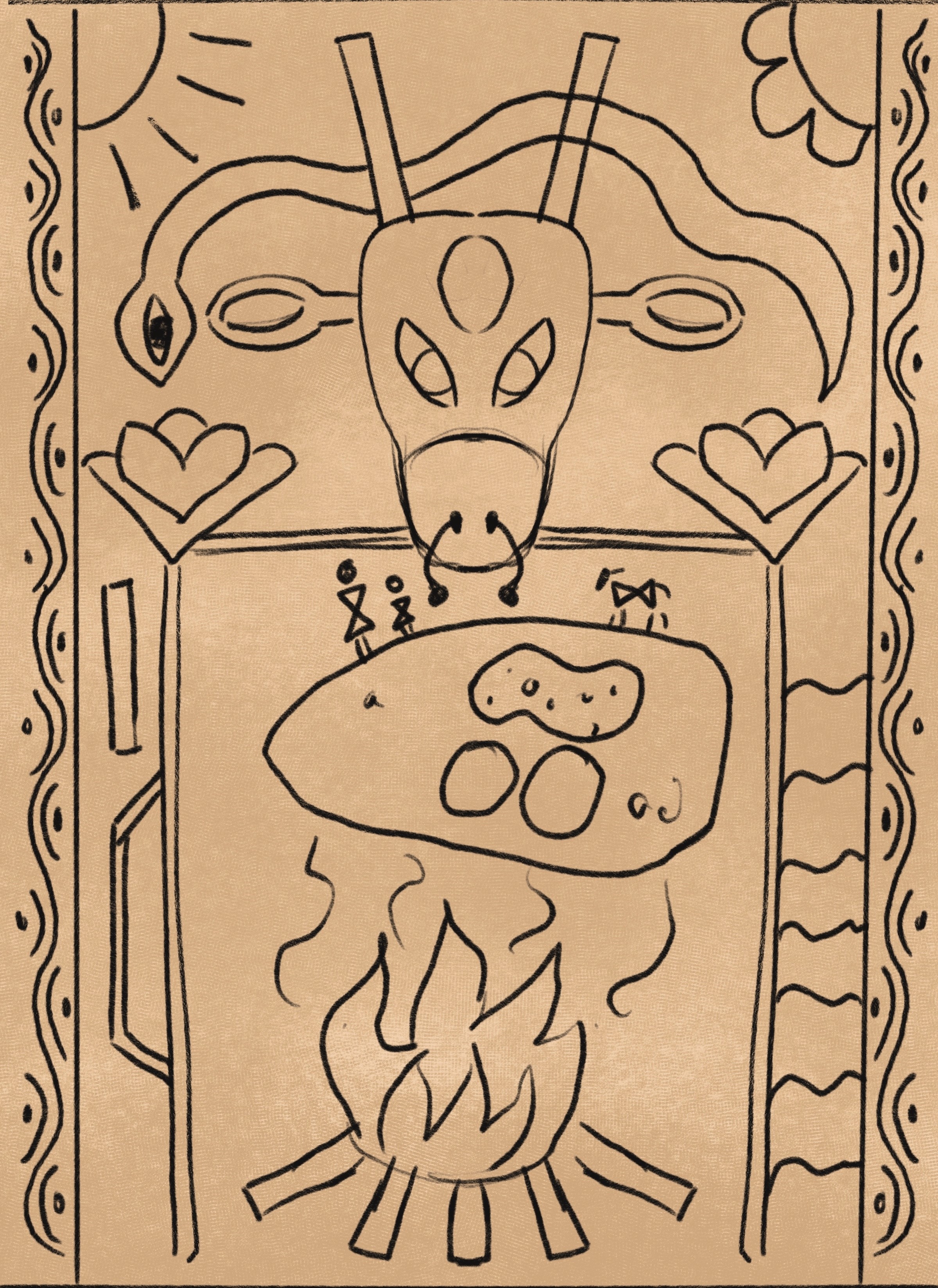
Iterations :
1.
2.
3.
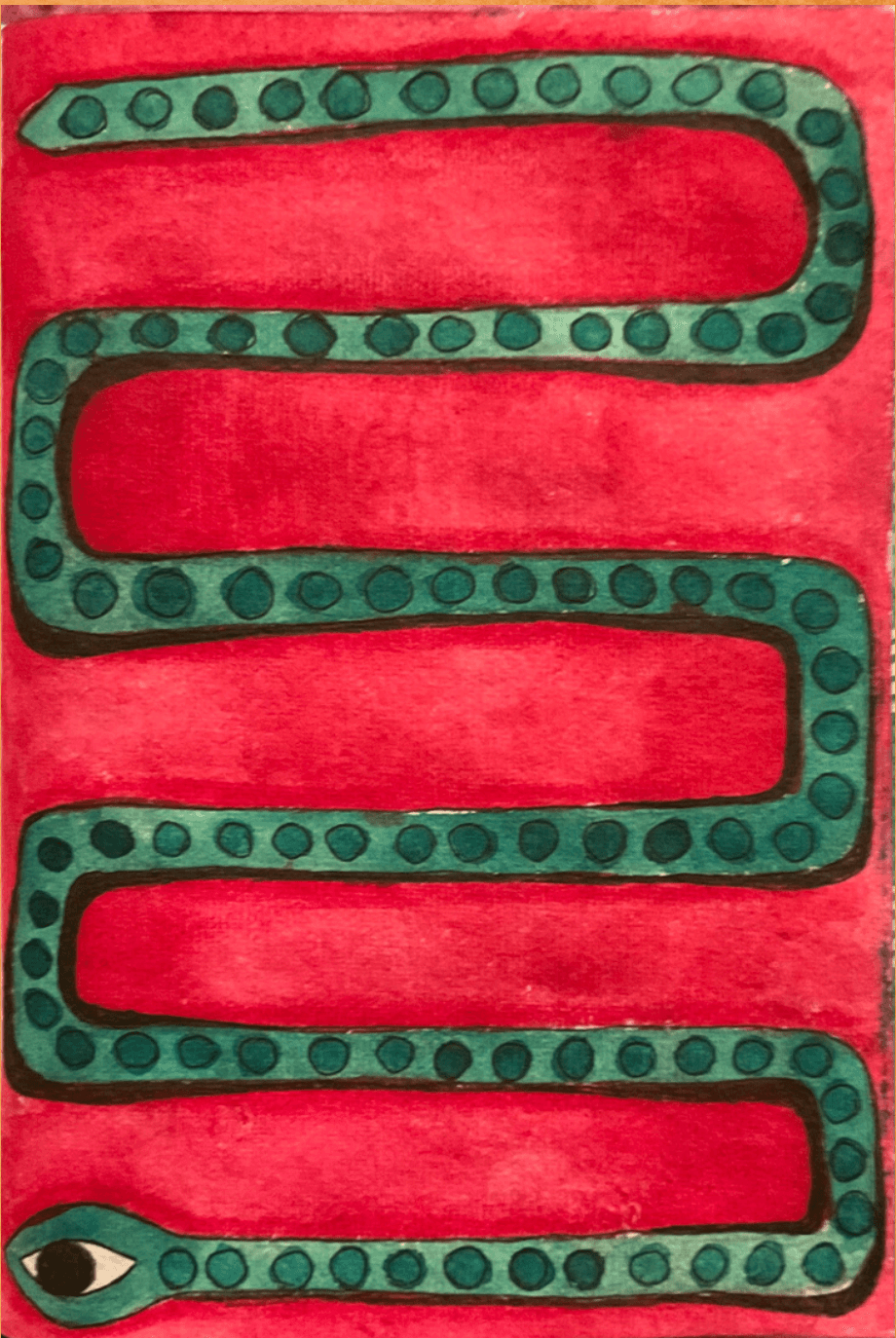
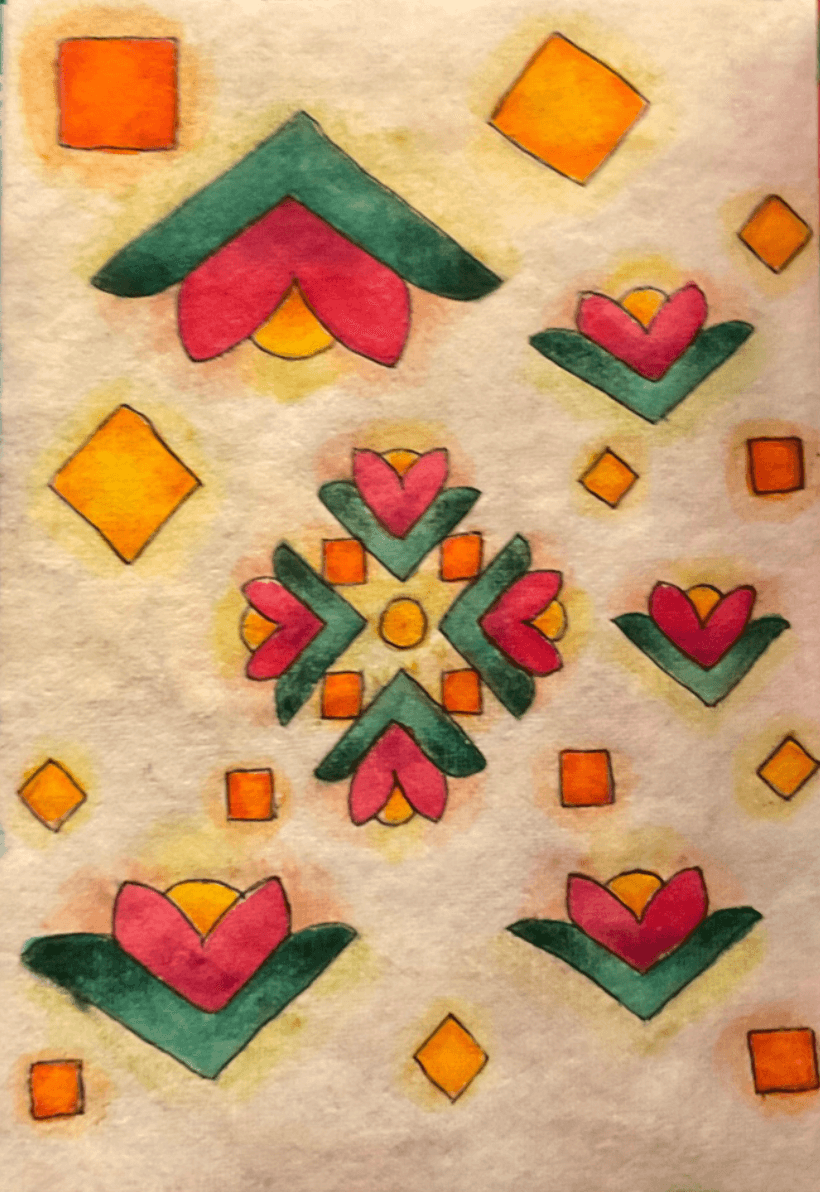
For the iterations, the visual elements have been referenced from different traditional arts and crafts of India as well as from personal sources.
The flower motif on either side of the tapestry is a part of a rangoli pattern that my mom taught in my middle school for a rangoli making competition. I sadly did not win the competition, but the pattern I now hold very dear to my heart.
The banana leaf with ragi balls and sambar on it is a reference to what the local food consists of, usually eaten everyday, and especially on the days that you'd visit the farm.
The cow and the snake both have been referenced from Madhubani artworks and a few others from Chittara.
ತೋಟಕೆ ಹೋಗೋ ತಿಮ್ಮ , ತೋಳ ಬಂದೀತಮ್ಮ
ಹಸು ಮೈಸೋ ತಿಮ್ಮ , ಹಸು ಹಾದೀತಮ್ಮ
ಓಲೆ ಉರಿಸೋ ತಿಮ್ಮ , ಉರಿ ಸುಟ್ಟೀತಮ್ಮ
ಪಾಠ ಬರೆಯೋ ತಿಮ್ಮ ,ಬಳಪ ಇಲ್ಲ ಅಮ್
ಹೂವು ಬಿಡಿಸೊ ತಿಮ್ಮ , ಹಾವು ಬಂದೀತಮ್ಮ
ಕಾವಲಿ ತಾರೋ ತಿಮ್ಮ , ಕಾಲು ನೋವು ಅಮ್ಮ
ನೀರು ಸೇದೋ ತಿಮ್ಮ , ಕೈಯ್ಯಿ ನೋವು ಅಮ್ಮ
ಊಟಕೆ ಬಾರೋ ತಿಮ್ಮ , ಓಡಿ ಬಂದೆನಮ್ಮ
go to the farm timma - the wolf will come and scare me, mother go graze the cow timma - the cow will attack me, mother
go make the fire timma - the fire will burn my fingers, mother
go write and study timma - there is no chalk, mother go get water from the well timma - my arms aching mother
go get the cooking pan timma - my legs are paining mother
go pluck the flowers timma - the snake will come mother
come eat your food timma - I'll run and come mother
Translation
Rhyme
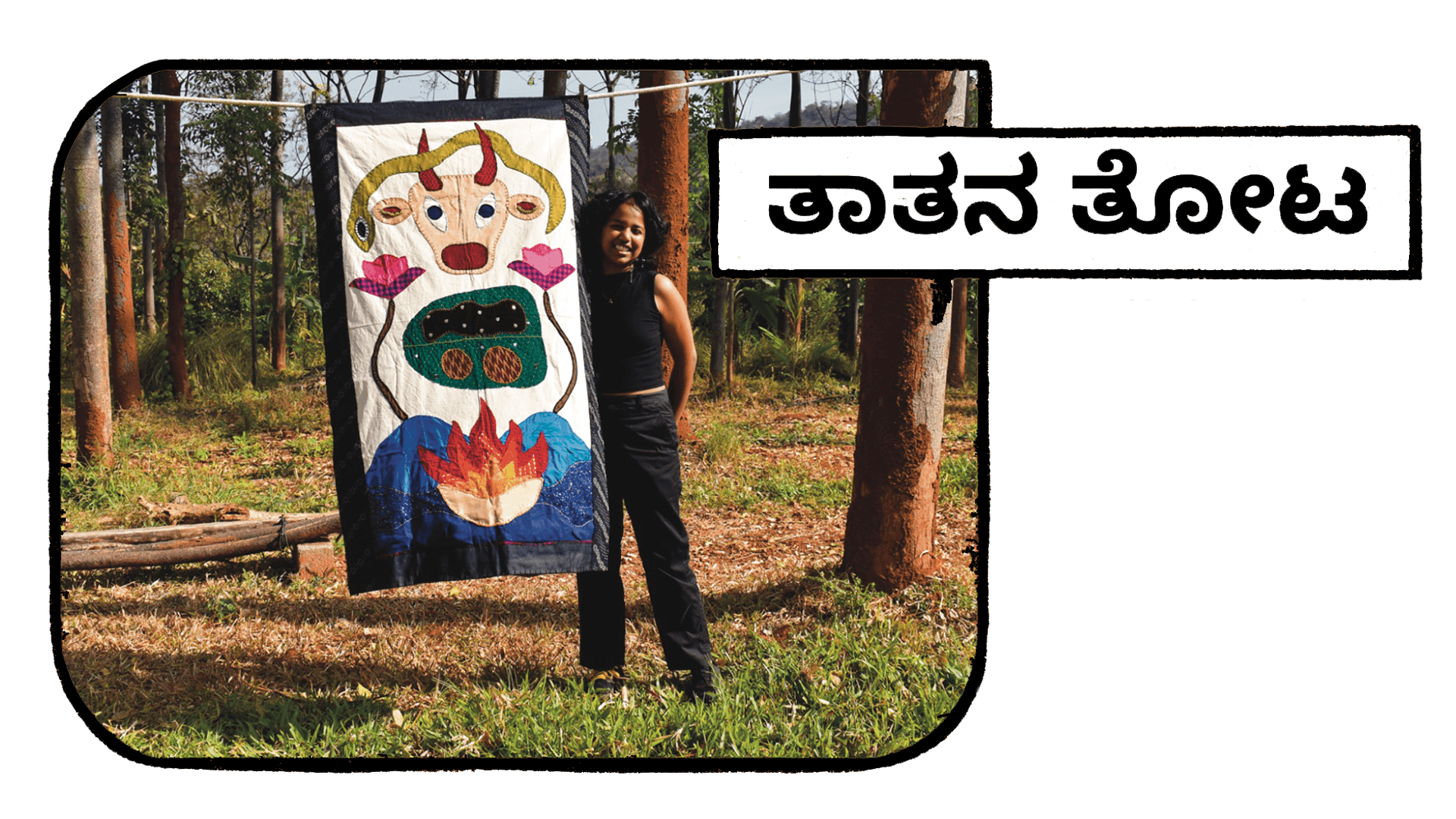
This is a contextual enquiry project that delves into communities and practices.
The goal of this project was to use a rhyme that has been sung to us by our family members throughout our childhood, in our vernacular language and to put it in a visual format of our tapestry.
Grandfather’s Farm